
E-bike and e-scooter safety in 2026 is becoming a bigger concern as more Americans use micromobility devices for commuting, recreation, and short-distance transportation. Electric bicycles and scooters can make trips faster and more convenient, but the latest federal safety data shows that injuries, deaths, crashes, and lithium-ion battery hazards remain serious issues.
The U.S. Consumer Product Safety Commission released its newest micromobility report in April 2026. The agency estimated about 698,500 emergency-department visits associated with e-bikes, e-scooters, and self-balancing scooters from 2017 through 2024. CPSC was also aware of 533 reported fatalities during that period, although the agency notes that fatality reporting can be delayed and later-year totals may change.
The risks are not limited to one problem. Riders can lose control, collide with vehicles, fall on uneven surfaces, ride with poor visibility, or become distracted. At the same time, defective or improperly handled lithium-ion batteries can overheat, ignite, or explode. Understanding both riding hazards and battery hazards is essential for safer micromobility use.
Readers can explore additional prevention guidance in our Motorcycles & Micromobility section and our Safety Resources hub.
What the Latest E-Bike and E-Scooter Safety Data Shows
Injuries and Reported Fatalities Have Increased as Micromobility Use Grows
Micromobility products have become more common in cities, suburbs, college areas, and tourist destinations. They are relatively affordable, require little parking space, and can replace short car trips. However, greater use also means more exposure to traffic, road hazards, and product failures.
CPSC estimates that micromobility products were associated with approximately 698,500 emergency-department-treated injuries between 2017 and 2024. E-scooters accounted for an estimated 380,000 of those visits, while e-bikes accounted for approximately 155,200. Self-balancing scooters accounted for the remainder.
Fatality reports show a similar concern. CPSC was aware of 533 micromobility-related fatalities from 2017 through 2024. The reported annual number rose from only five deaths in 2017 to 135 in 2024. Because reporting for recent years is still incomplete, those numbers could increase as additional cases are received.
E-Bikes Accounted for Most Reported Micromobility Deaths
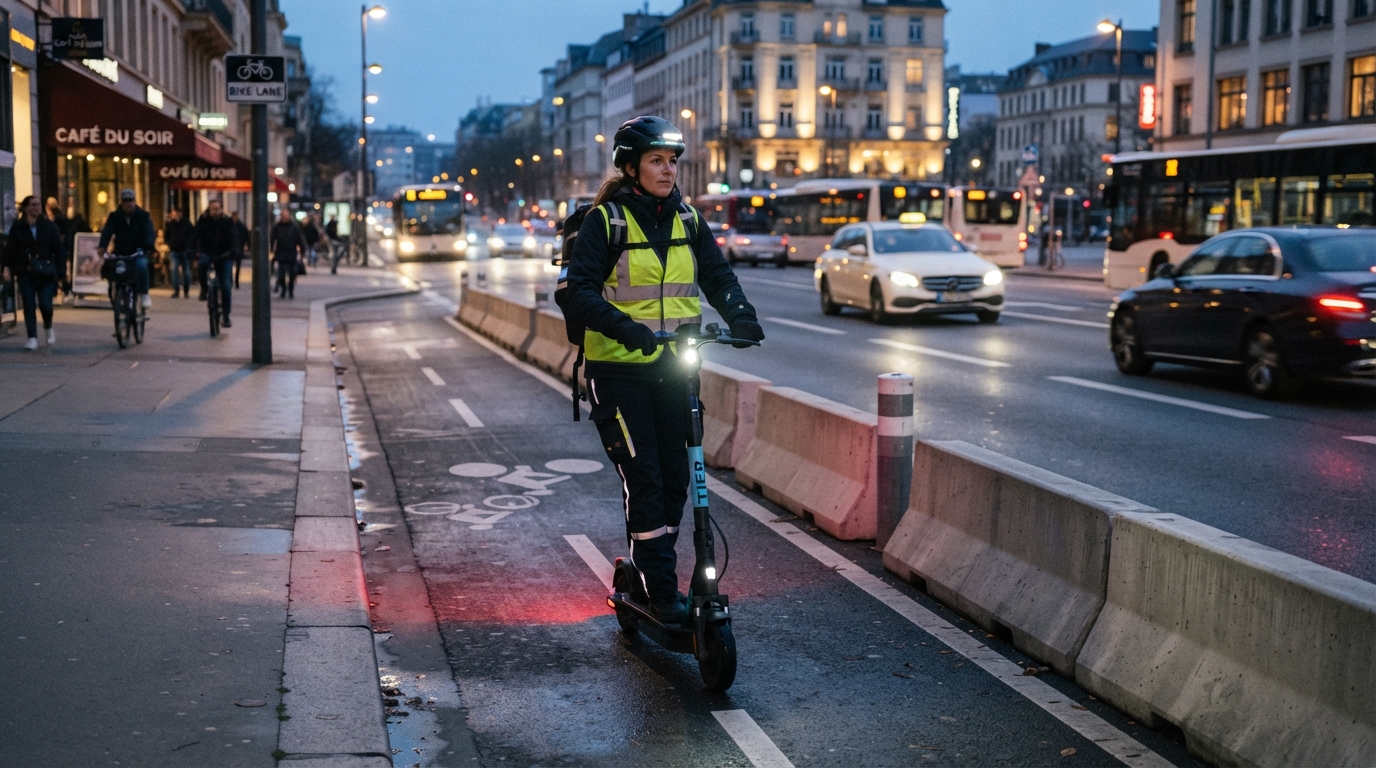
Of the 533 reported micromobility fatalities, 310 involved e-bikes and 206 involved e-scooters. Another 17 involved self-balancing scooters. E-bike fatalities therefore represented more than half of the total reported deaths during the eight-year period.
CPSC identified motor vehicle crashes and control problems among the leading hazards connected with fatal e-bike and e-scooter incidents. This makes sense because riders often share space with larger, faster vehicles while having far less physical protection.
The agency’s 2024 e-bike injury study found that 24% of injuries were associated with motor vehicle accidents. In addition, 25% occurred on uphill or downhill surfaces, and 15% of injured riders were traveling at 20 mph or faster when the accident happened.
Speed is important because e-bikes can travel much faster than traditional bicycles with relatively little physical effort. New riders may reach higher speeds before developing the braking, cornering, and traffic-awareness skills needed to manage them safely.
Road Conditions, Visibility, Helmets, and Distraction All Matter
CPSC’s special 2024 studies provide a closer look at how riders were getting hurt. Among e-scooter injuries examined in the study, 54% occurred on paved roads and 32% occurred on paved sidewalks. Around 20% of injured riders reported visibility problems that may have contributed to the accident.
Distraction also appeared in the data. Approximately 11% of e-scooter riders in the study reported that a source of distraction, such as a cell phone or loud music, may have contributed to the incident. Nearly one-third were carrying or holding something while riding.
Helmet use was another notable finding. Only 18% of injured e-scooter riders reported wearing a helmet. Among injured e-bike riders, 40% reported helmet use. A helmet cannot prevent every injury, but it can provide critical protection when a rider falls or is struck.
These findings connect closely with broader road-safety risks. Our article on distracted driving in 2026 explains how even a few seconds of lost attention can dramatically increase crash risk. The same principle applies when riding an e-bike or e-scooter.
Lithium-Ion Battery Fires Are a Different but Serious Micromobility Hazard
Crashes are only one part of the safety picture. Lithium-ion batteries can store a large amount of energy in a small space. When a battery is defective, damaged, improperly manufactured, exposed to incompatible charging equipment, or subjected to certain environmental conditions, it can enter a process known as thermal runaway.
Thermal runaway can cause rapid heating, smoke, fire, or explosion. Battery fires may also be difficult to extinguish because damaged cells can reignite after the visible flames appear to be out.
CPSC’s 2026 report found that lithium-ion battery fires were associated with reported fatalities across several micromobility product categories. The agency identified 19 e-bike fatalities connected with 13 battery-fire incidents and 15 e-scooter fatalities associated with 11 battery-fire incidents during the 2017–2024 period.
Battery safety has become important enough that CPSC approved a proposed mandatory safety standard for lithium-ion batteries used in micromobility products in June 2026. The proposal is intended to address fire, explosion, and thermal-runaway hazards.
Certified Batteries and the Correct Charger Matter
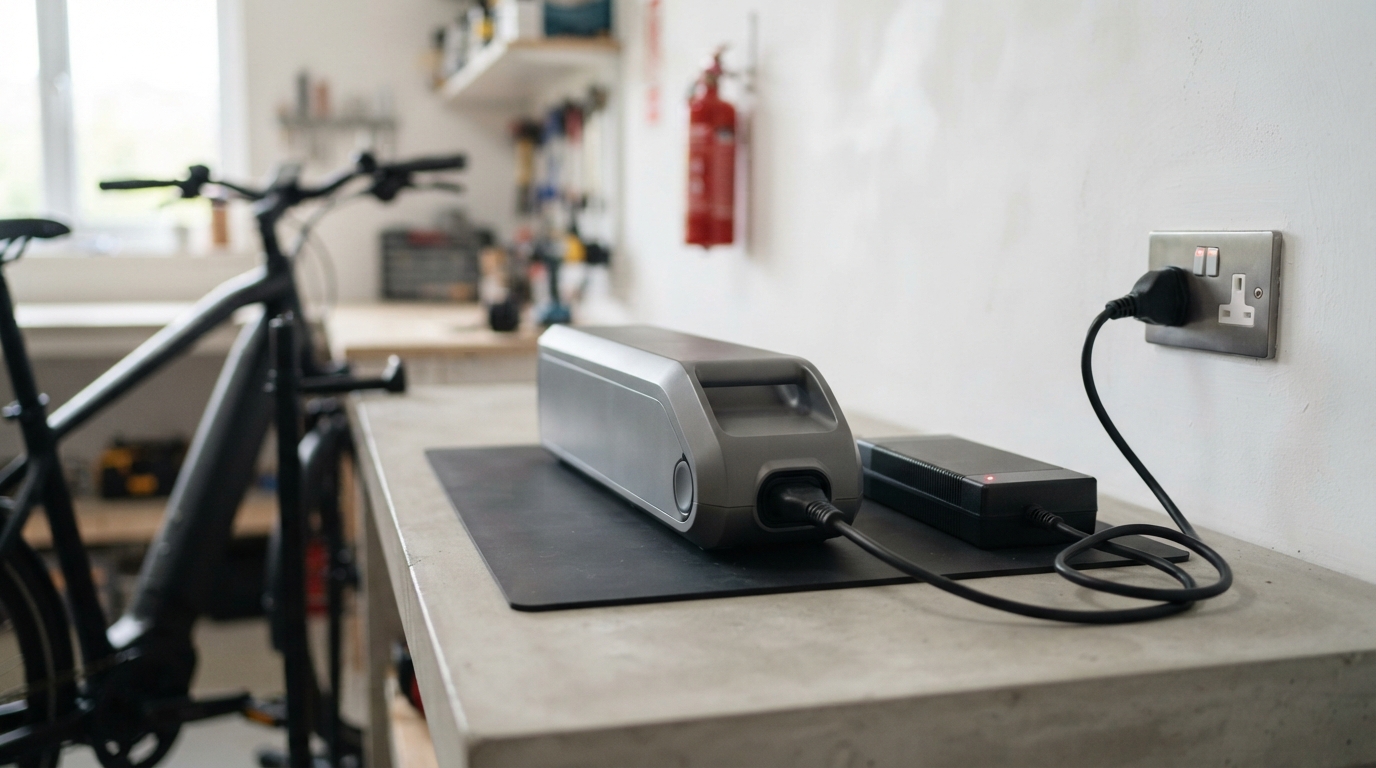
Consumers should avoid treating batteries and chargers as interchangeable accessories. A charger that physically fits a battery is not necessarily electrically compatible with it. Using the wrong charger can increase the risk of overheating, battery damage, or fire.
CPSC recommends using micromobility products and batteries that were designed, manufactured, and certified to applicable safety standards. Riders should follow the manufacturer’s charging instructions and use the charger supplied or specifically approved for the device.
Recent warnings demonstrate why this matters. In March 2026, CPSC warned consumers about certain Ridstar e-bikes after receiving reports of battery and wiring fires. Then in June 2026, the agency issued another warning involving certain Ridstar models because a front wheel could detach without warning, creating a separate crash hazard.
Those incidents demonstrate that riders need to consider both electrical safety and mechanical safety. A reliable battery does not compensate for a loose wheel, poor brakes, damaged tires, or another structural problem.
How Riders Can Reduce E-Bike and E-Scooter Risks in 2026
Safer Micromobility Requires Good Riding Habits and Proper Equipment
E-bikes and e-scooters can be useful transportation tools, and using them does not automatically mean accepting a high level of risk. Many common hazards can be reduced through basic inspection, safer riding choices, protective equipment, proper charging, and awareness of surrounding traffic.
Six Practical Steps Can Make Every Ride Safer
1. Wear a properly fitted helmet. Head injuries can have life-changing consequences. Choose a helmet appropriate for the type of riding you do, make sure it fits correctly, and replace it after a significant impact or when required by the manufacturer.
2. Inspect the device before riding. Check tires, brakes, handlebars, folding mechanisms, lights, battery mounting, and wheels. If anything feels loose, damaged, or unusual, do not continue riding until the problem is corrected.
3. Make yourself visible. Use working front and rear lights when riding in darkness or poor visibility. Reflective clothing or accessories can also help other road users detect you earlier.
4. Keep both hands available for control. Avoid holding a phone, drink, bag, or other object while riding. Use a backpack or properly secured storage instead. Do not text or scroll while moving.
5. Slow down around vehicles, pedestrians, and intersections. Micromobility devices can approach intersections faster than drivers or pedestrians expect. Reduce speed where visibility is limited and assume other road users may not have seen you.
6. Charge batteries safely. Use the correct charger, follow manufacturer instructions, and avoid charging a device with a damaged, swollen, overheated, wet, or recalled battery. Do not block an exit with a charging device, and stop using a product if the battery begins behaving abnormally.
Local laws also matter. Helmet rules, sidewalk restrictions, allowable riding areas, age requirements, speed limits, and e-bike classifications can differ between cities and states. Riders should understand the rules where they operate rather than assuming that regulations are the same everywhere.
Our Safety Checklists page can help riders create a quick pre-ride routine, while our Emergency Preparedness guide can help families plan for transportation and battery-related emergencies..
Consumers
Consumers should also pay attention to recalls and safety warnings. If a manufacturer or CPSC tells owners to stop using a product, continuing to ride or charge it may expose the rider and others to unnecessary danger.
For the latest federal guidance, injury statistics, recalls, and battery-safety information, review the U.S. Consumer Product Safety Commission’s Micromobility Information Center.
The latest data shows why e-bike and e-scooter safety in 2026 deserves continued attention. Micromobility devices offer convenient transportation, but federal data now documents hundreds of thousands of injuries and hundreds of reported fatalities over recent years.
The goal is not to discourage people from using these devices. It is to make their growing use safer. Better products, certified batteries, responsible charging, helmets, visible riders, lower speeds, regular inspections, and better street design can all reduce risk. As micromobility becomes a larger part of everyday transportation, prevention needs to grow with it.